The short answer
A dense porcelain slab soaks up almost no water, so haldi, chai and oil wipe off. Granite is natural stone: a sealer makes it more stain resistant, not stain proof. Either way, use a trivet and ask the fabricator how the sink and hob corners will be cut.
- 01Stains come from what a surface soaks up. Dense porcelain soaks up 0.5% or less of its weight in water.
- 02Granite is natural stone. Oil can darken it, and a sealer helps but does not make it stain proof.
- 03Porcelain’s weak points are sharp inside corners at cut-outs and thin edges, so the fabricator matters.
- 04Use a trivet for hot pans and a chopping board for cutting, on any counter.
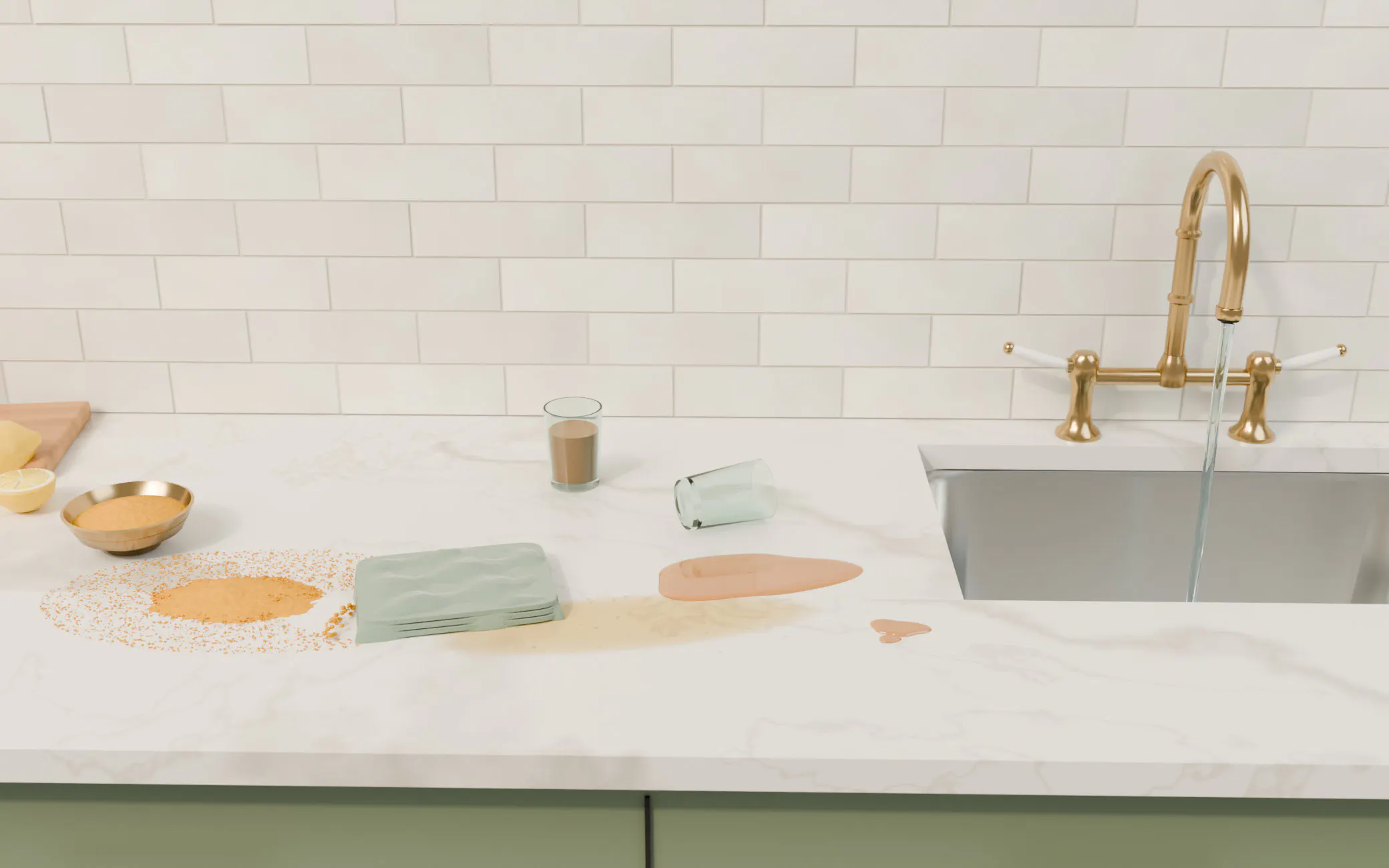
Haldi, chai, tamarind, oil from a tadka. A counter in an Indian kitchen takes all of it, every day. You want one you can wipe and forget.
Why does a counter stain?
A surface stains when it soaks up what spills on it. Porcelain is dense and takes up 0.5% or less of its weight in water, so there is little for a stain to sink into. Natural stone has tiny gaps. The Natural Stone Institute says an oil-based stain darkens the stone and normally has to be chemically dissolved. A sealer helps, but in its words it makes stone “more stain resistant”, not stain proof, and many stones need no sealing at all.
How do porcelain and granite compare?
Caesarstone porcelain, Lioli
Porcelain slab
- Caesarstone describes its porcelain as highly non-porous and resistant to heat, scratches and stains.
- One slab can run from the counter up the wall as a splashback.
- Sharp inside corners at sink and hob cut-outs are a known weak point.
- Dark colours show scratch marks more than light ones.
- Put constant-heat appliances on an insulated mat and use a chopping board.
Best forA cooking kitchen where wipe-and-go matters most.
Natural stone
Granite
- Every slab is different, with a natural pattern.
- Oil can darken it, and acid-free cleaning matters.
- Sealing is an extra step. Ask your supplier how often.
- Use trivets and coasters.
Best forA kitchen where you like natural stone and are happy to seal and wipe spills quickly.
Look after either one the same way. Wipe spills soon, use a trivet for hot pans and a chopping board for cutting, and keep harsh chemicals away. Dark colours show scratch marks more than light ones, whatever the material.
Which thickness for a counter?
A slab maker, Atlas Plan, recommends 12 mm and 20 mm for worktops and islands, and 6 mm for wall cladding. Our Caesarstone porcelain is listed at 9 and 12 mm, and some designs at 6 mm. Lioli is listed at 6 and 9 mm. Our catalogue lists these slabs for floors and walls, so ask which designs and thicknesses the maker approves for a counter.
What should the fabricator do?
- Round the inside corners of the sink and hob cut-outs. One maker gives a minimum radius of about 6 mm.
- Keep cut-outs about 50 mm or more from the slab edge.
- Cut on a flat, supported surface to reduce vibration.
- Support any overhang. The documents we read give no safe length, so ask the maker how far each slab can extend.
See these at the showroom
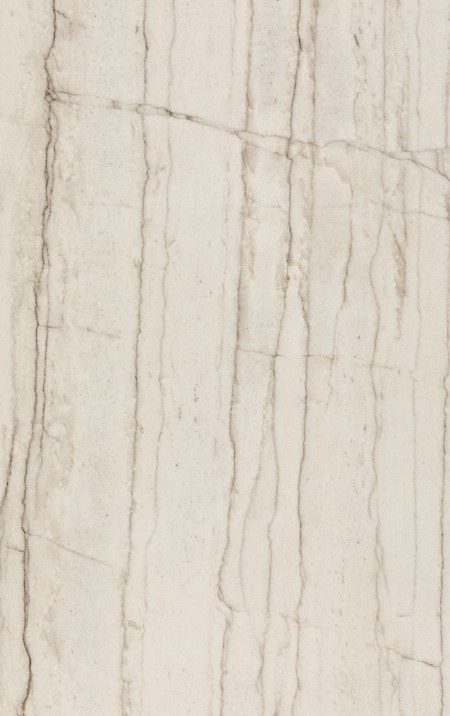 Caesarstone 534 Everline Rustic Matt 12MM
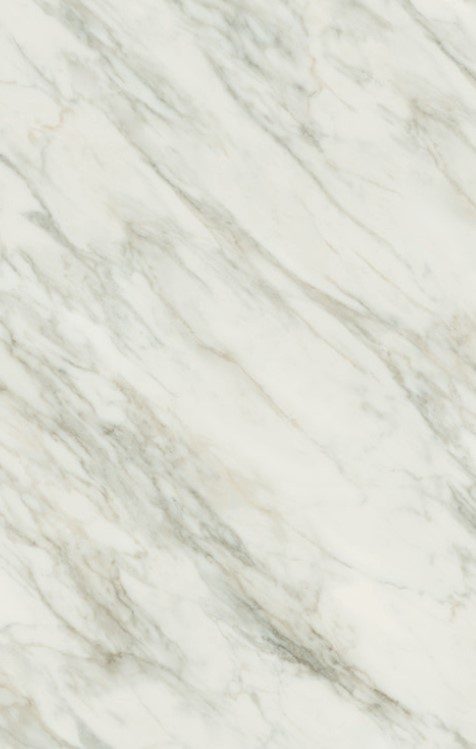 Caesarstone 505 Archetta Silk 9MM
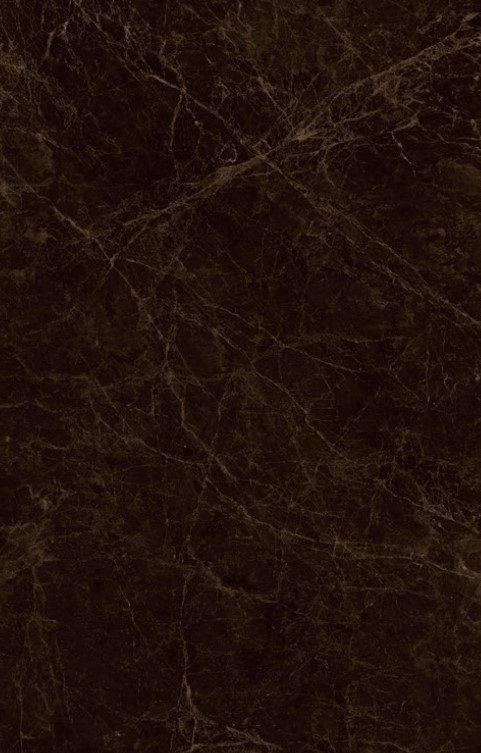 Caesarstone 514 Emprada Structure Matt
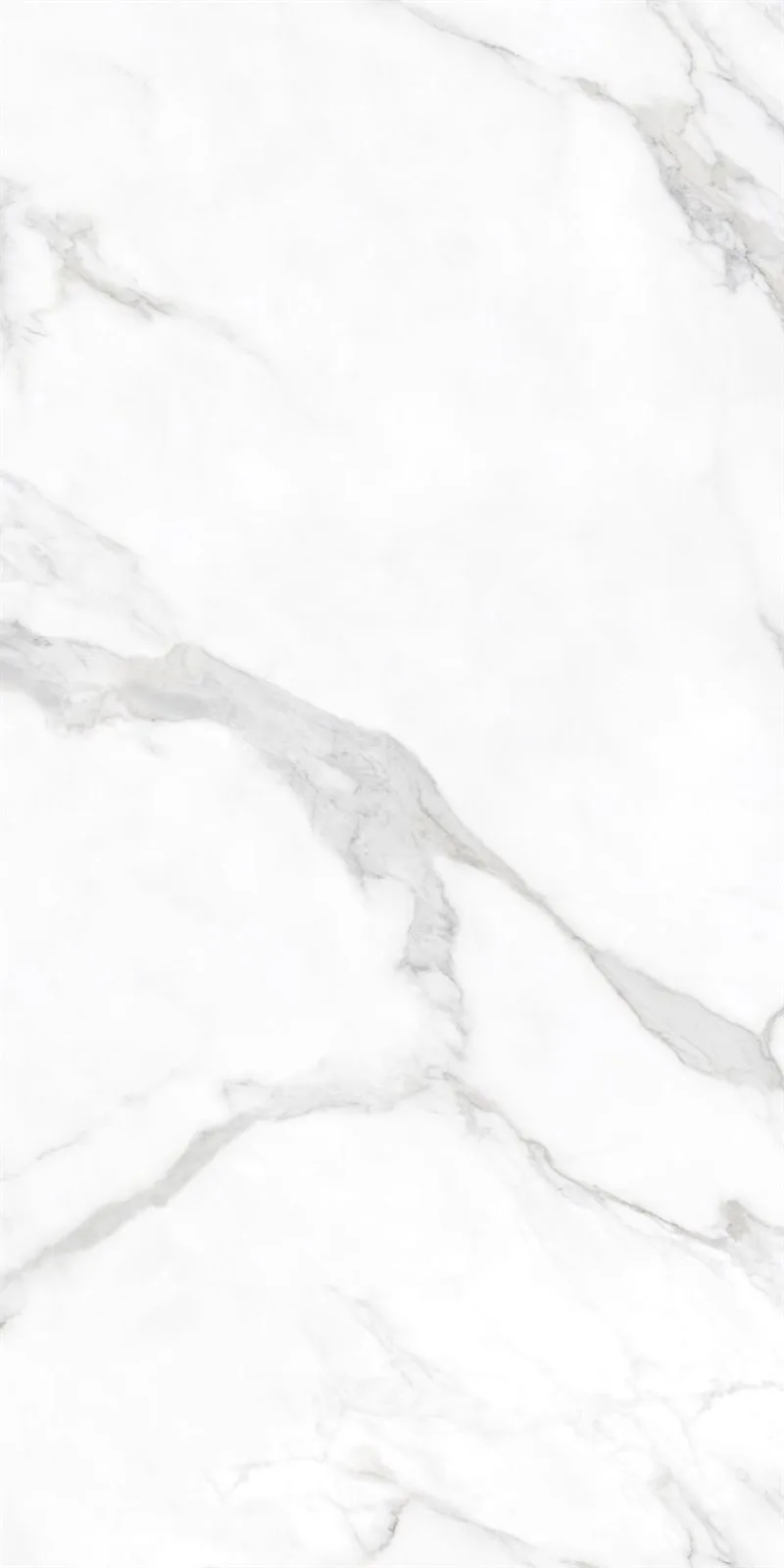 Lioli Statuario Venetian slab
Porcelain slabs we show: Caesarstone 534 Everline, 505 Archetta and 514 Emprada, and Lioli Statuario Venetian. Ask which thickness the maker approves for a counter.
Questions people ask
Is porcelain better than granite for a kitchen counter?
For stains and easy wiping, porcelain has the edge because it is so dense. Granite is natural stone with a pattern of its own. Choose by how you cook and whether you will seal and care for stone.
Does a porcelain counter stain?
Caesarstone describes its porcelain as highly non-porous and stain resistant. Wipe spills promptly, avoid harsh chemicals, and follow the care manual for the exact slab you buy. Dark colours show scratches more.
Can I put a hot pan on a porcelain counter?
Caesarstone’s own pages differ on hot cookware, so use a trivet or hot pad to be safe. Constant-heat appliances, such as a slow cooker, should sit on an insulated mat.
Does granite need sealing?
Some stones do and many do not. A sealer makes stone more stain resistant but not stain proof. Ask your supplier whether yours needs sealing and how often.
Sources
- Caesarstone: porcelain surfaces
- Caesarstone: porcelain maintenance, use and care guidelines
- Natural Stone Institute: care and cleaning of natural stone
- Atlas Plan: guide to slab thicknesses
- Arizona Tile: Della Terra porcelain slabs FAQs (cut-out radius and edge distance)
- StudioMatrx: tile water absorption groups in India