The short answer
Not as a rule. Imported and Indian tiles are tested the same way, so a dense tile from either is equally tough. What differs is the look, the largest sizes and the range. Compare the data sheets of the two exact tiles, not the countries.
- 01Country does not decide strength. Ask for the water absorption figure of both tiles.
- 02In our range, the real difference is the largest slab size, not durability.
- 03Indian makers give you more everyday sizes. Imported ones give you the biggest slabs and certain looks.
- 04Many homes mix them: an Indian-made floor, one imported slab on a feature wall.
People ask whether an imported tile is “better”. Put that way, nobody can answer, because a tile is good or not tile by tile. Ask what you want instead: a look, a very large size, a budget. Here is how the two sides compare on those.
Is an imported tile tougher?
Not as a rule. Tiles in India and abroad are sorted by how much water they soak up, with the same test. A dense, porcelain-grade tile takes up 0.5% or less of its weight whichever country made it. Thickness is a design choice too. Our range has 6 mm slabs from an Indian maker (Lioli) and from an imported one, and 9 mm from both. Ask for the figures of the exact tile.
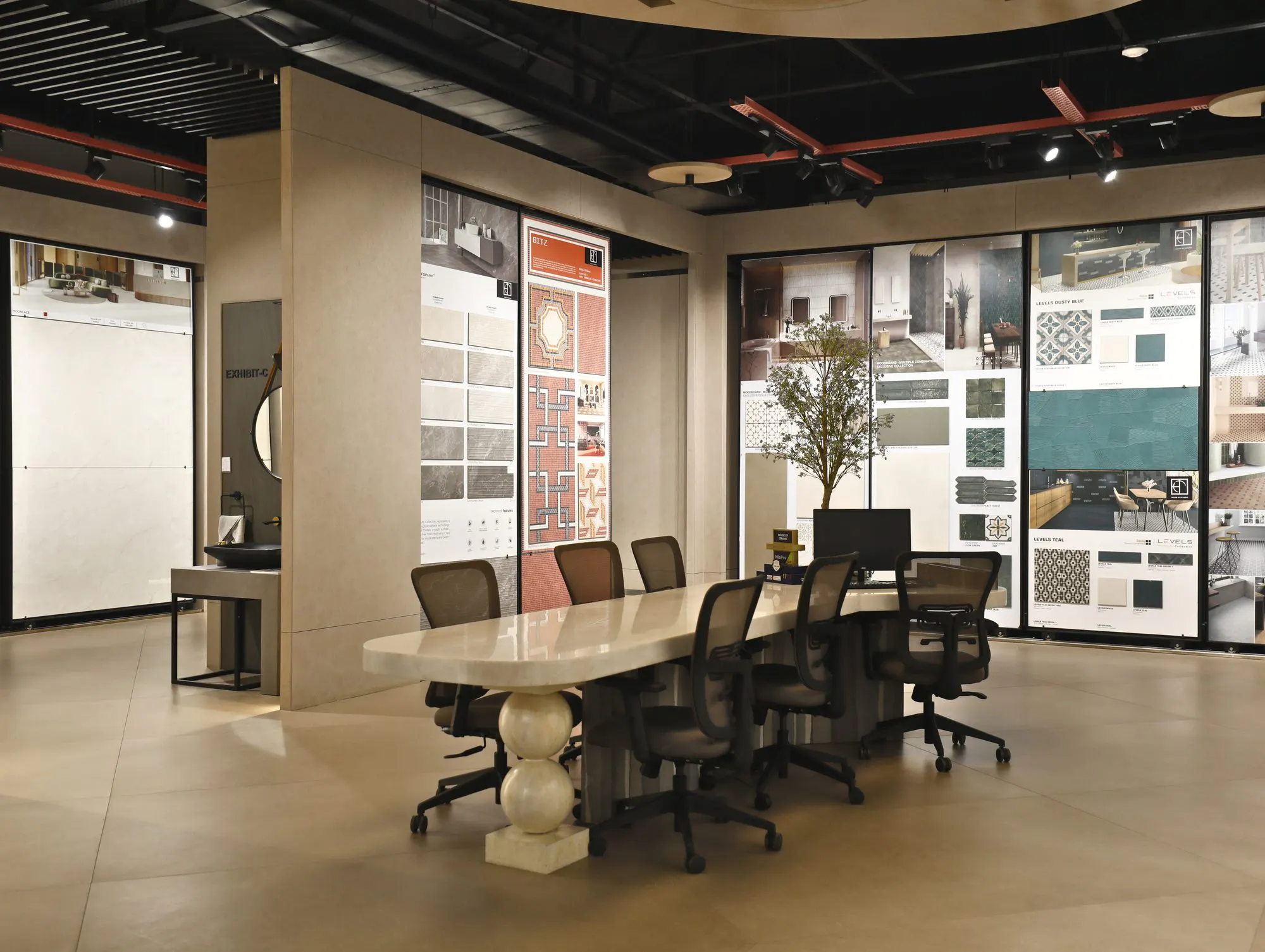
Imported and Indian collections on facing walls, so you can walk from one to the other.
Where do they really differ?
| You care about | Imported (Iris FMG, Caesarstone porcelain and others) | Indian makers (Simero, Marfil, Motto, Lioli and others) |
|---|---|---|
| Largest size | Up to 1500 × 3000 mm and 1600 × 3200 mm | Mostly 1200 × 1800 and 1200 × 2400 mm |
| Everyday sizes | Fewer | More: 600 × 1200, 800 × 1600, 1200 × 1800 |
| Reordering later | Ask about lead time | Ask about lead time |
| Budget | Ask for today’s price | Ask for today’s price |
Sizes are from the showroom range of 14 November 2026 and change as ranges change.
m² per piece
- Caesarstone porcelain5.121600 × 3200 mm
- Iris FMG4.51500 × 3000 mm
- Simero, Motto, Lioli, Marfil2.881200 × 2400 mm
- Lavish, Itaca, Colortile2.161200 × 1800 mm
Source: House of Ceramic showroom range, 14 Nov 2026. Area is length times width.
When does imported make sense?
When your plan needs a very large wall with almost no joints, or a marble look that runs unbroken along a long vanity wall. See the full-size panels in the slabs hall to judge how the veins run.
When do Indian makers make sense?
For a whole flat or bungalow. You get more sizes and a wide spread of marble, stone, wood and plain looks. The slabs below are all 1200 × 2400 mm.
Mixing is common. Use an Indian-made floor through the house and one imported slab where the veining deserves the size. Keep the tones close, and look at the pair together in the showroom first. The adhesive and floor-flatness rules are the same for both.
How to compare any two tiles fairly
Same water absorption
Ask for the figure on both data sheets.
Same size and thickness
A 6 mm slab and a 9 mm tile are different products.
See a full panel
Sample squares hide the veining and the repeat.
Price the whole job
Add adhesive, labour for big slabs and a few spare tiles.
See these at the showroom
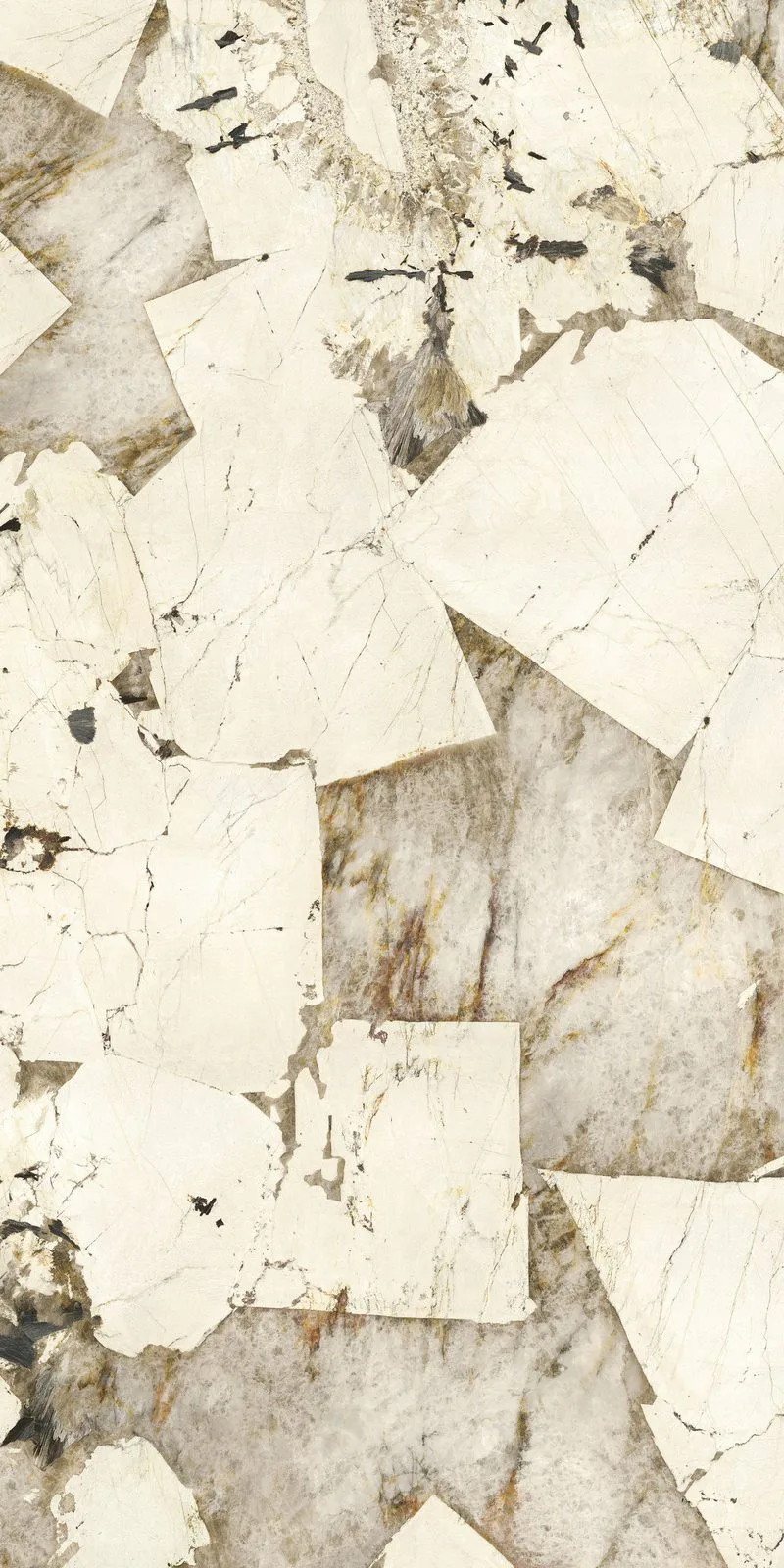 Iris FMG Maxfine Marmi Patagonia slab
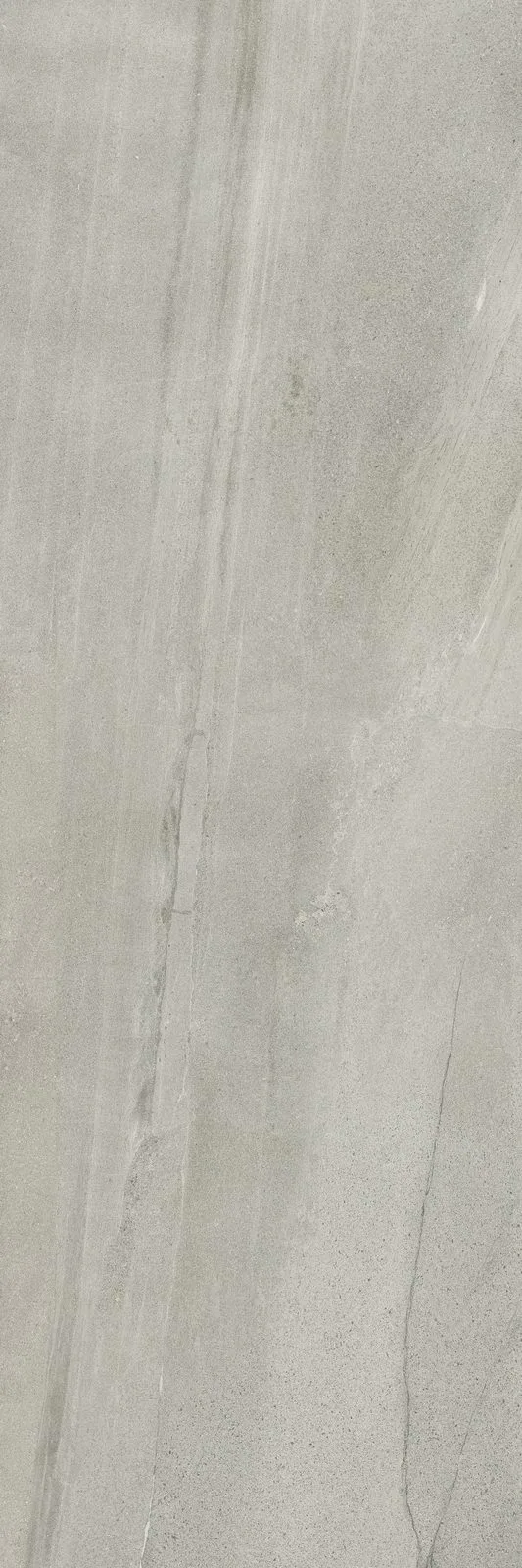 Iris FMG Pietre Lavica Grey
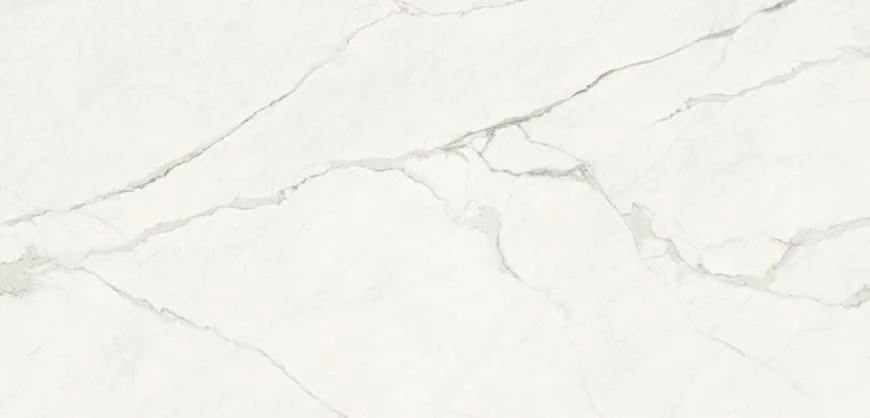 Caesarstone 503 Circa Honed
Three of the largest pieces: Iris FMG Maxfine Marmi Patagonia, Iris FMG Pietre Lavica Grey and Caesarstone 503 Circa Honed.
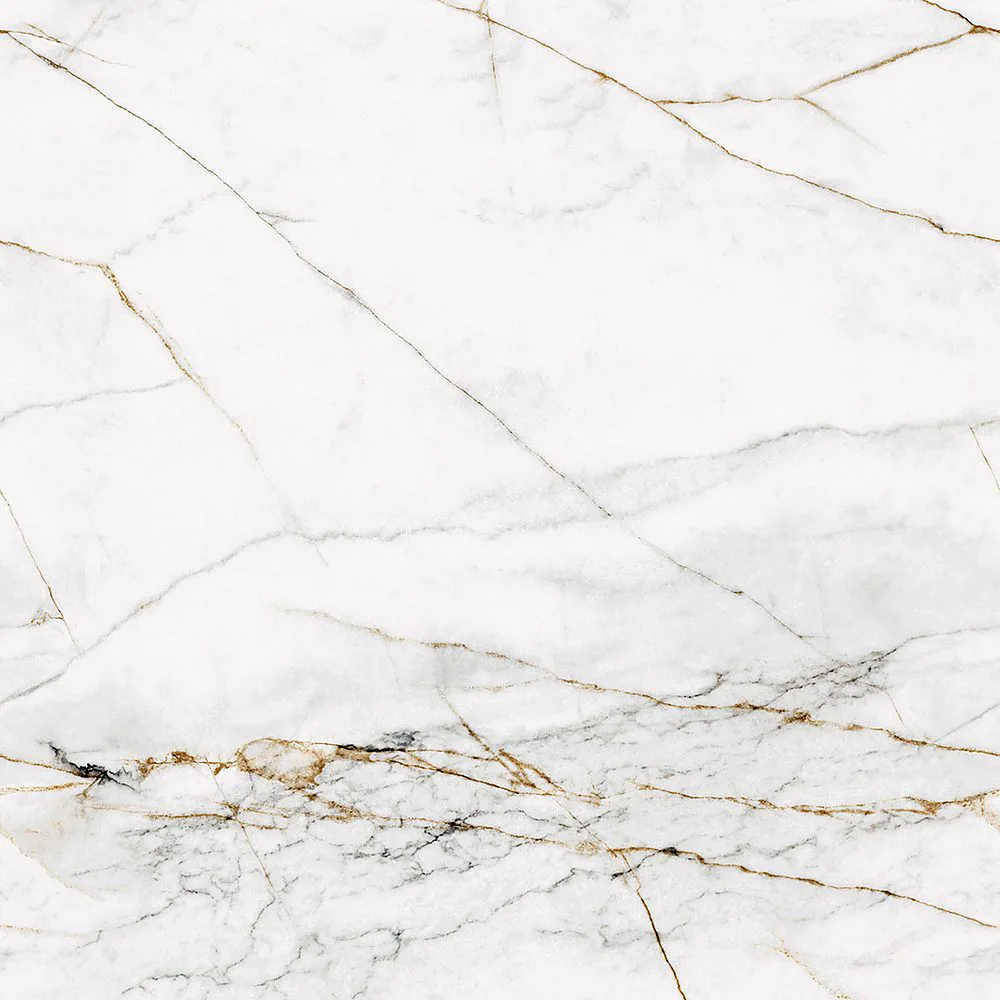 Simero Afyon White: white marble-look tile with fine gold veins
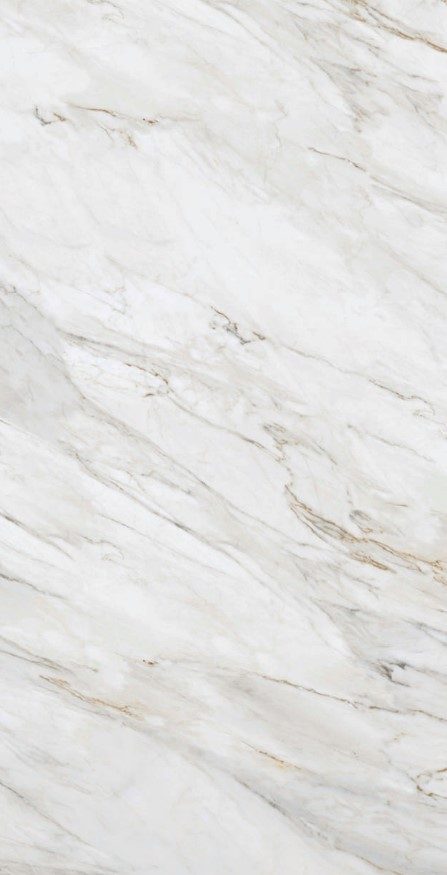 Lioli Calcatta Borghini
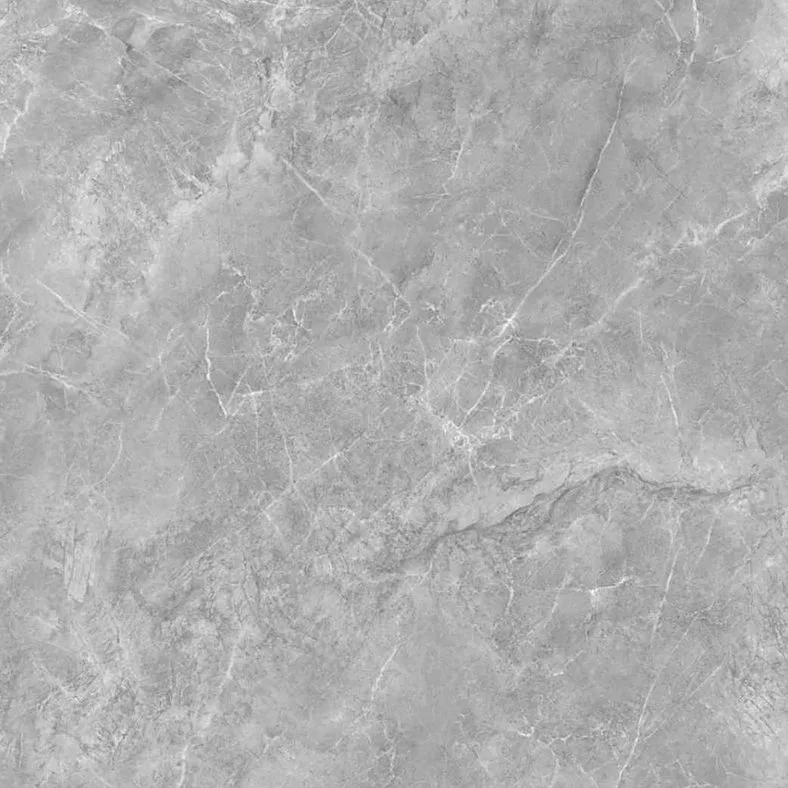 Motto Perlato Gris: grey marble-look tile
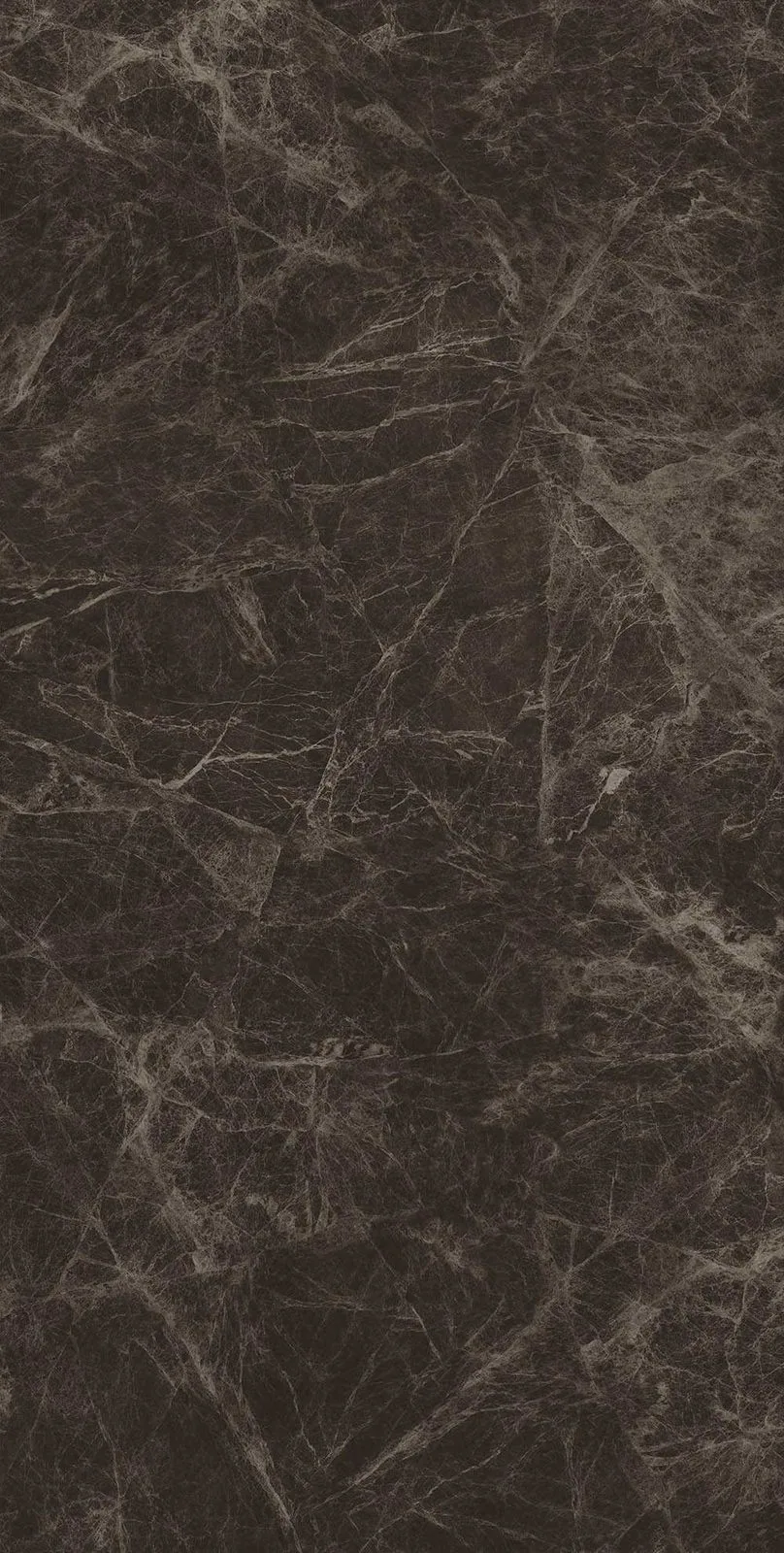 Lioli Emperador slab
Indian-made slabs: Simero Afyon White, Lioli Calcatta Borghini, Motto Perlato Gris and Lioli Emperador.
Questions people ask
Is imported tile better than Indian tile?
Not as a rule. Both can reach the same dense, porcelain-grade band of 0.5% or less water absorption. The differences are in the look, the largest sizes and the range, so compare the data sheets of the exact tiles.
Why do imported tiles cost more?
Prices depend on the collection, size and thickness, and they change, so we quote none here. Ask for today’s price on both tiles and add adhesive and fitting for large slabs before you compare.
Do imported slabs need a different adhesive?
Large, thin slabs of any origin need the right adhesive spread on both the floor and the back of the tile. Follow the tile maker’s advice and the adhesive’s data sheet.
Which brands does House of Ceramic stock?
We stock imported Marca Corona, Iris FMG, Mirage, Italgraniti, Impronta and Caesarstone porcelain. Among Indian makers we stock Simero, Nuante, Marfil, Motto, Itaca, Lavish, ColorTile, Lioli, Qutone and Blackberry.