The short answer
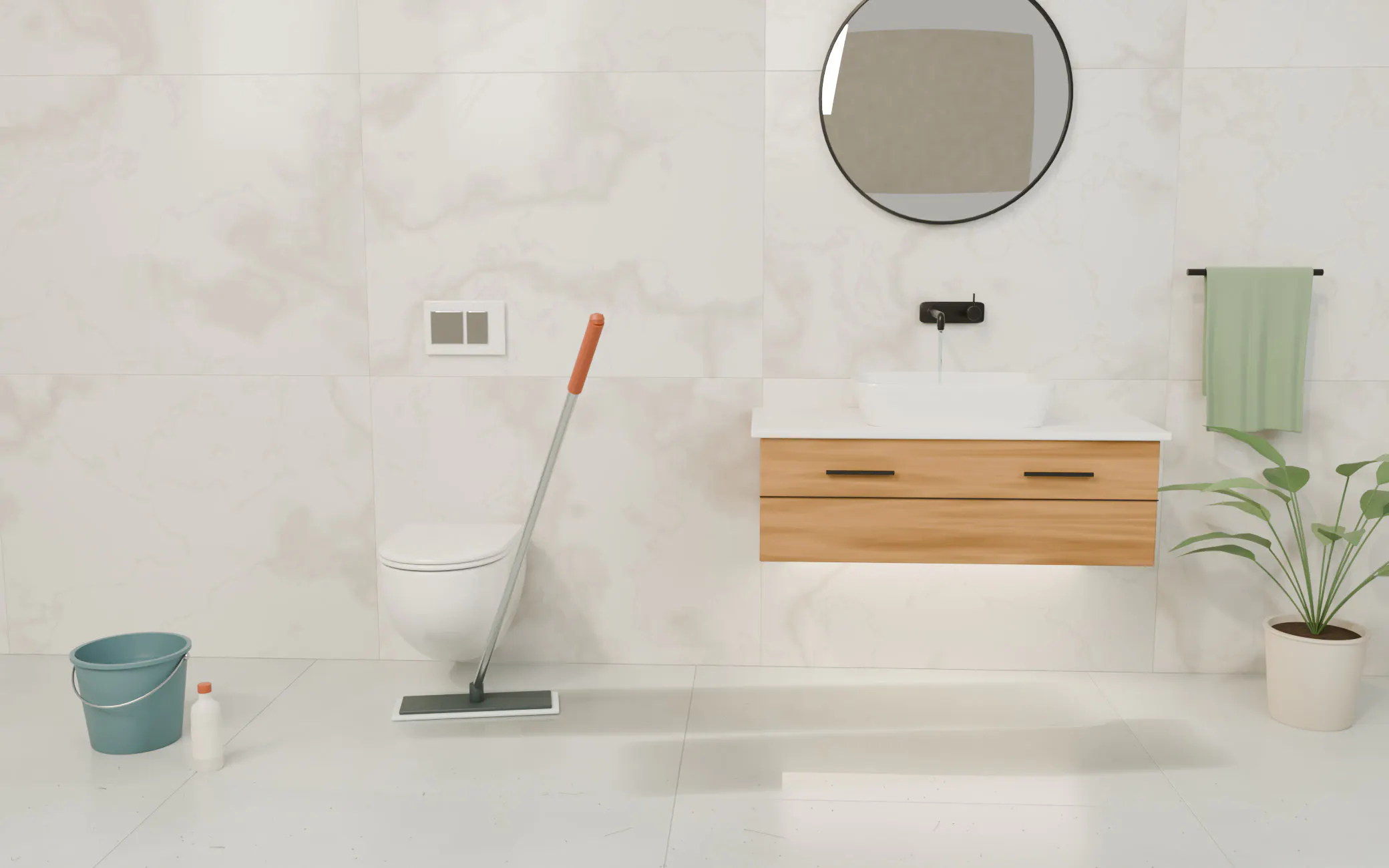
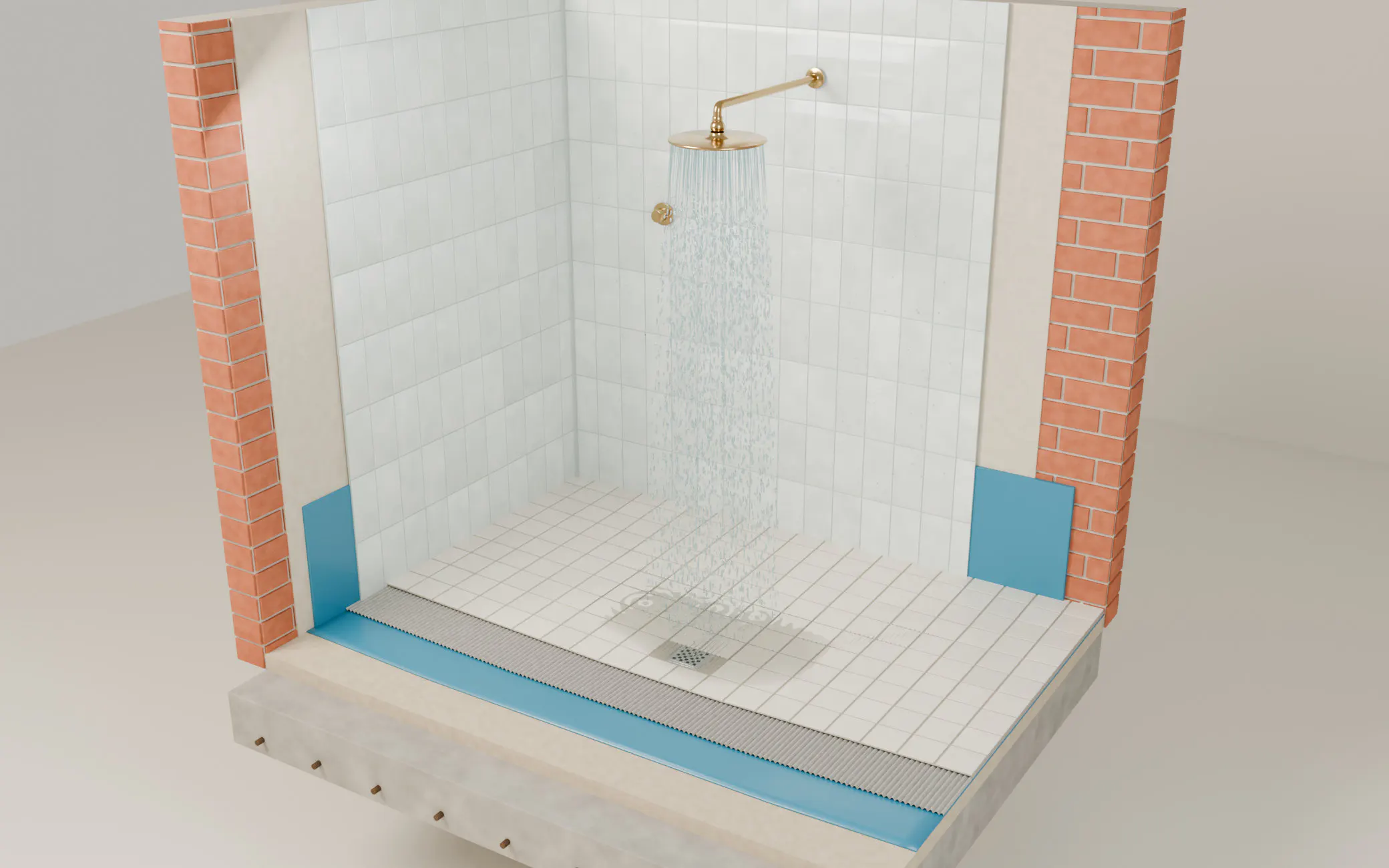
A leak-free bathroom depends on what is under the tile. Slope the floor to the drain, apply a waterproof membrane on the floor and up the walls, seal corners and pipes, let it cure, flood-test it, then tile. Tile and grout alone do not stop water.
- 01Tile and grout are the finish. The waterproofing is a separate layer under them.
- 02Make the slope in the screed, so water runs to the drain.
- 03Corners and pipe openings leak first. Cover them with the maker’s fabric or tape.
- 04Cure and flood-test before tiling. The waiting time differs by product: follow the sheet.
A bathroom leak turns up months later as a damp patch in the neighbour’s ceiling, or a stain on the next wall. By then the tiles are down and the only repair is to break them. In a flat, it is also your neighbour’s ceiling. The fix costs little on the day it is done, and it is the one layer nobody sees afterwards.
Why is tile not enough?
Water gets through joints, cracks and edges over time. MYK Laticrete is plain about it: its grouts, epoxy ones included, are not a waterproof material for joints or surfaces. Waterproofing goes under the tile.
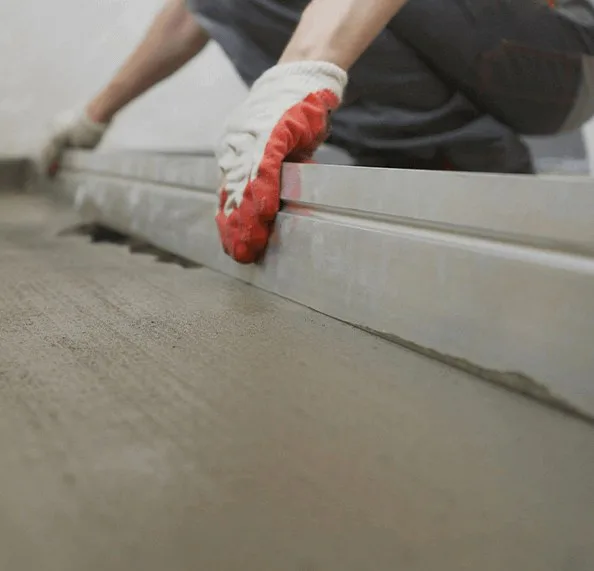
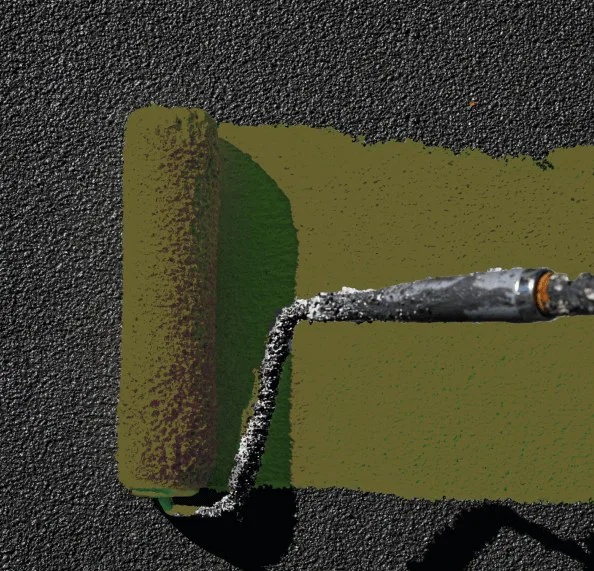
Slope the screed first, then roll the membrane. The tile comes last. Photo: MYK Laticrete.
What are the steps?
Lay the screed to a slope
A New Zealand rule asks for a fall of at least 1 in 50 towards the drain on an open shower floor. That is 2 cm over every metre. Make it in the screed, not in the membrane.
Apply the waterproofing
Two coats, turned up the wall. Cover corners and pipe openings with the maker’s fabric or sealing tape.
Let it cure
Follow the data sheet. Sika’s SikaTop-107 Seal Plus IN must not be ponded for 7 days, while MYK Laticrete lists a flood test in 72 hours for Hydro Ban.
Flood-test the floor
Block the drain, fill the floor with water and leave it for the time the maker lists. Check the level has not dropped and nothing has stained below.
Tile with the right adhesive
Use an adhesive made for wet areas, such as Sika’s wet-room one.
What should I ask my contractor?
- Does the membrane turn up the walls, and how high around the shower?
- Are the corners and pipe openings sealed with fabric or tape?
- Was a flood test done, and for how long?
- Which drain is going in, and has the slope been planned to it?
- Is the tile adhesive one the maker lists for wet areas?
In a flat, a slow leak shows up inside someone else’s room, so do this properly the first time. The drain you choose sets the slope, so decide it early. See drains.
See these at the showroom
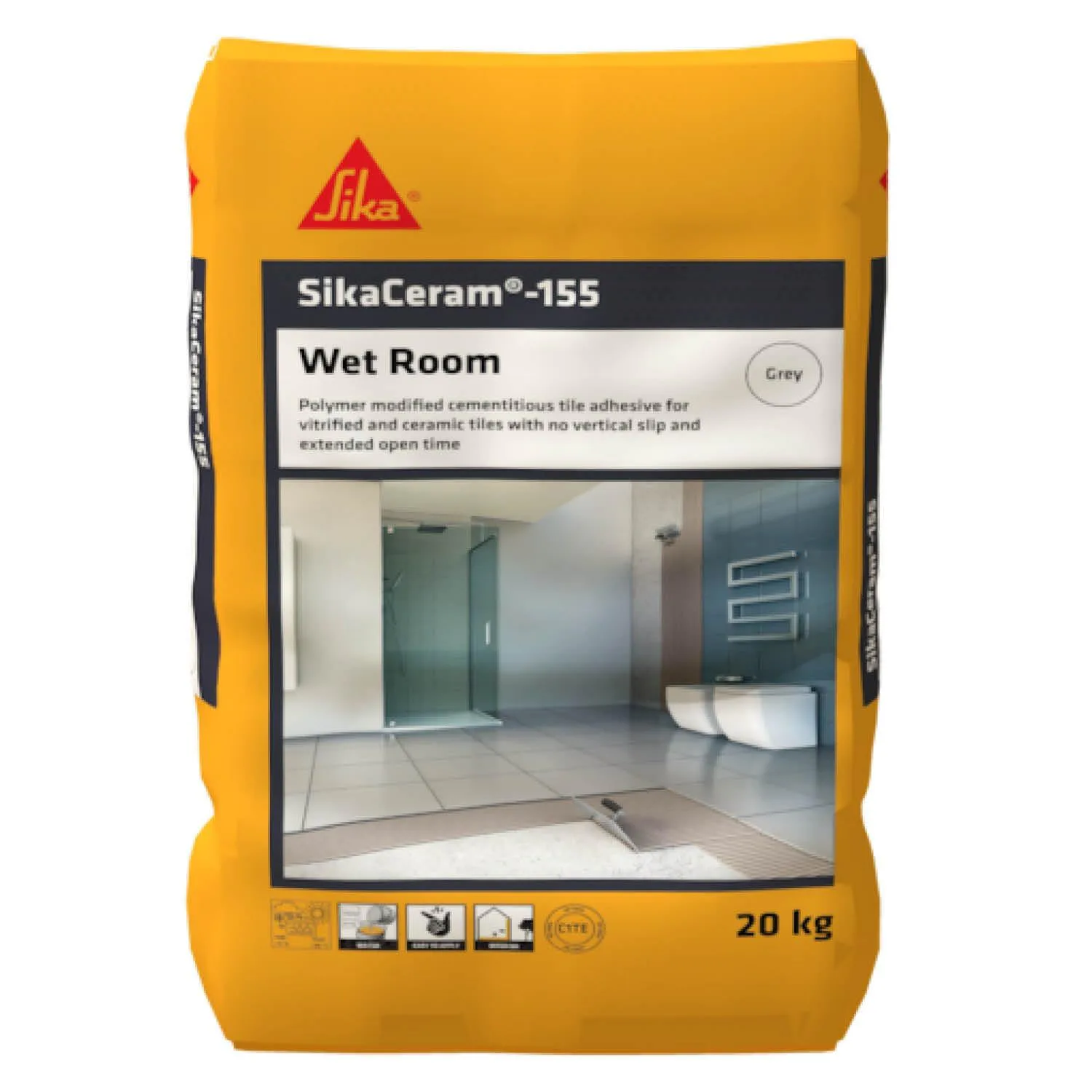 Sika SIKA-155 Grey 20KG
 Faldu 904 Tile Insert Floor Drain
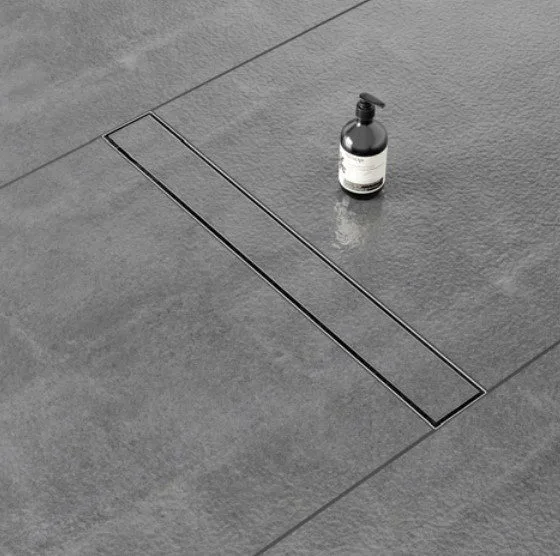 Faldu 369 tile-insert shower channel
A wet-room adhesive and two Faldu drains, from our catalogue. Waterproofing membranes are ordered on request.
Questions people ask
Do I need waterproofing if I use waterproof tiles?
Yes. Tiles absorb little water, but water travels through joints, cracks and edges. The waterproofing layer goes under the tile and turns up the walls.
How long should I wait before tiling over waterproofing?
It depends on the product. MYK Laticrete lists a flood test in 72 hours for Hydro Ban. Sika’s SikaTop-107 Seal Plus IN must not be ponded for 7 days. Follow the sheet of the one you use.
How do I flood-test a bathroom floor?
Block the drain, fill the floor with water to a safe level and leave it for the time the maker states. Check the water level has not dropped and nothing has stained below.
What slope should a bathroom floor have?
A New Zealand rule asks for at least 1 in 50 to the drain on an open shower floor, which is 2 cm per metre. Ask your contractor what slope they are forming, and form it in the screed.
Sources
- MYK Laticrete: Product Catalogue (Hydro Ban 72-hour flood test; grouts not waterproof)
- Sika India: SikaTop-107 Seal Plus IN data sheet, August 2025 (7 days, two coats, fabric at penetrations)
- Sika India: SikaCeram-155 Wet Room data sheet
- Level (New Zealand): wet area floor structure (1 in 50 fall; falls formed in the substrate)