The short answer
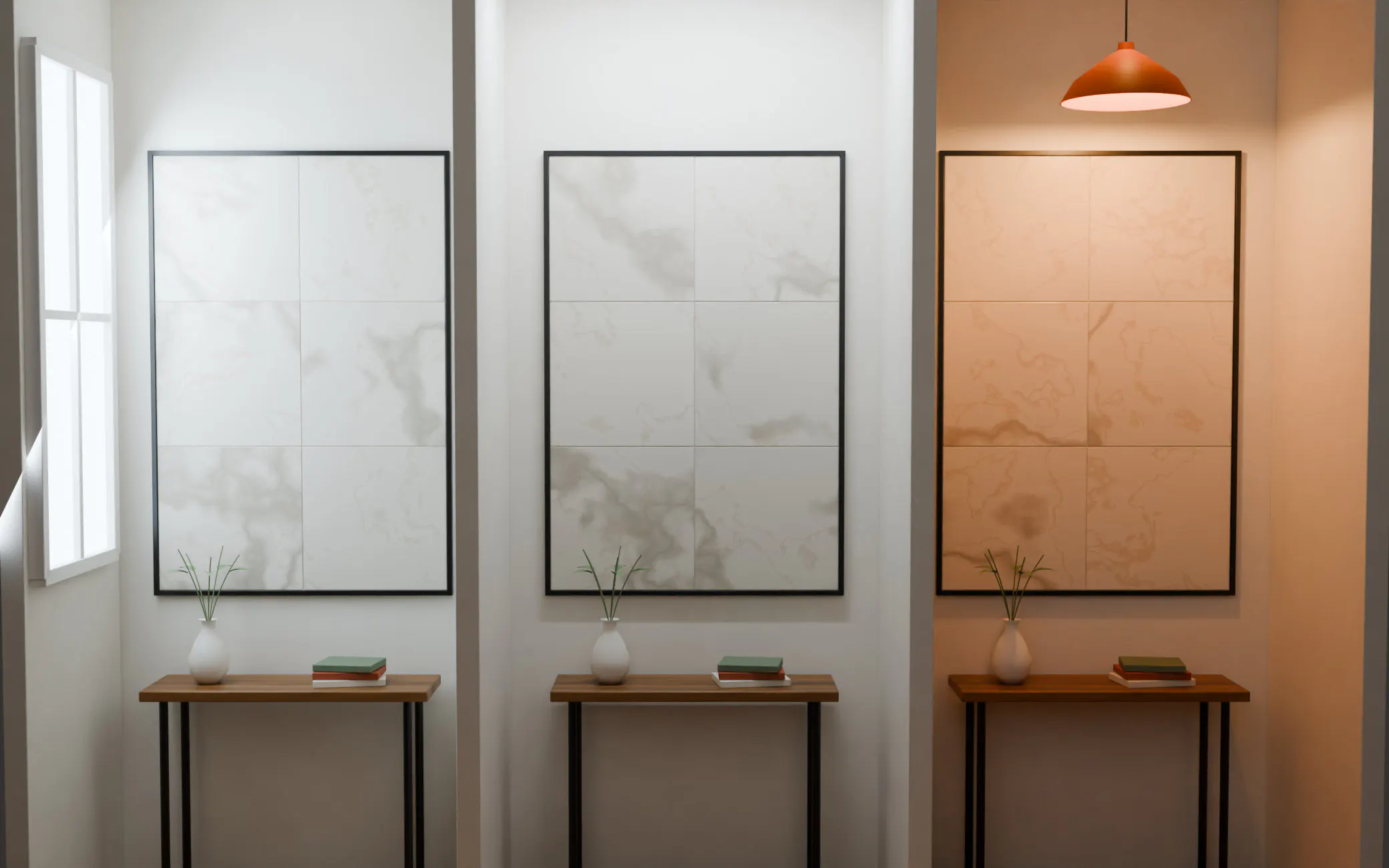
Tiles look different at home because the light is different. Warm bulbs of about 2700 K turn pale tiles yellow; cool bulbs of 5000 K or more push greys toward blue. Carry a full sample home and look at it in the morning, at noon and under your lamps.
- 01The tile has not changed; the light on it has. Warm light adds yellow, cool light adds blue.
- 02The pack of a bulb prints its kelvin number. Check it before you judge a tile.
- 03Test a full board at home at three times of day. Order the whole job from one batch.
What you see is the tile’s colour multiplied by the colour of the light on it. The showroom has its own mix of lamps and windows. Your living room has different ones, so a grey that looked clean here can turn creamy there.
| On the pack | How the light looks | What it does to a pale tile |
|---|---|---|
| 2700 K | Warm white, like an old filament bulb | Pulls white and grey toward yellow |
| 3500 K | In between | A small shift toward warm |
| 5000 to 6500 K | Cool white, like bright daylight | Keeps white crisp; can push grey toward blue |
K is kelvin, the unit for the colour of light. Source: US Department of Energy.
What else changes the look?
A glossy tile mirrors the window and the lamp, so one part of the floor looks lighter than another. A matt tile looks even. The sun also moves: a room with one window looks different at 11 am and at 6 pm. And tiles from different batches can differ a little in shade, which is why the batch number on the box matters.
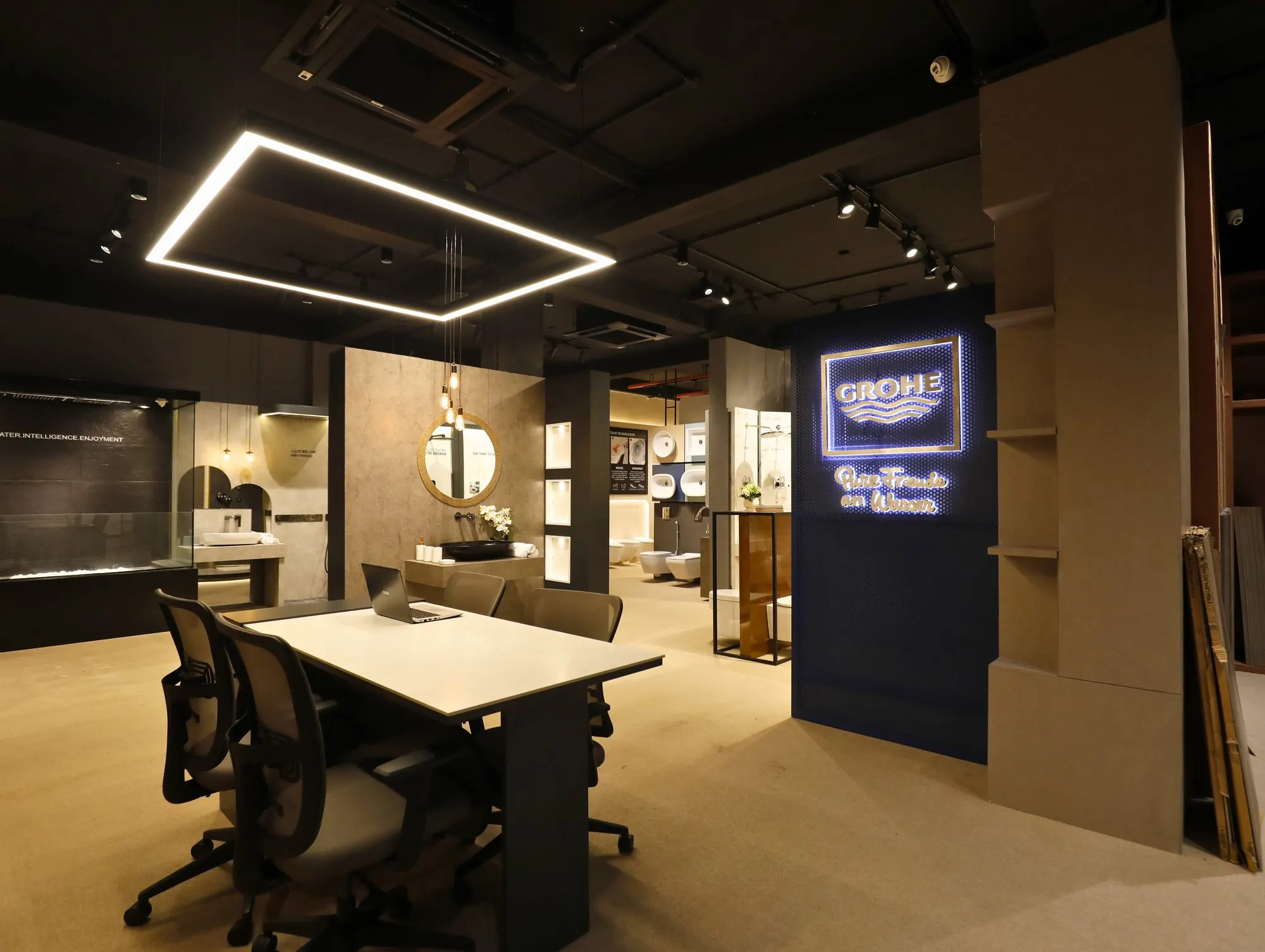
The same table, a different light: we change it in front of you.
A test that costs nothing
Borrow a full board
A small chip hides the pattern. Ask for the largest sample we can lend.
Stand it where the tile will go
Lean it on the wall or lay it on the floor, next to your sofa, curtains and paint.
Look three times
Morning, noon, and evening with your own lamps on. Check what the kelvin number says on each bulb.
Decide the lamps first
If you plan new lights, pick them before the tile. Bring one of the bulbs along.
Browse the tiles and slabs, then see our hours on the visit page. Our grout colour post uses the same sample-board habit.
See these at the showroom
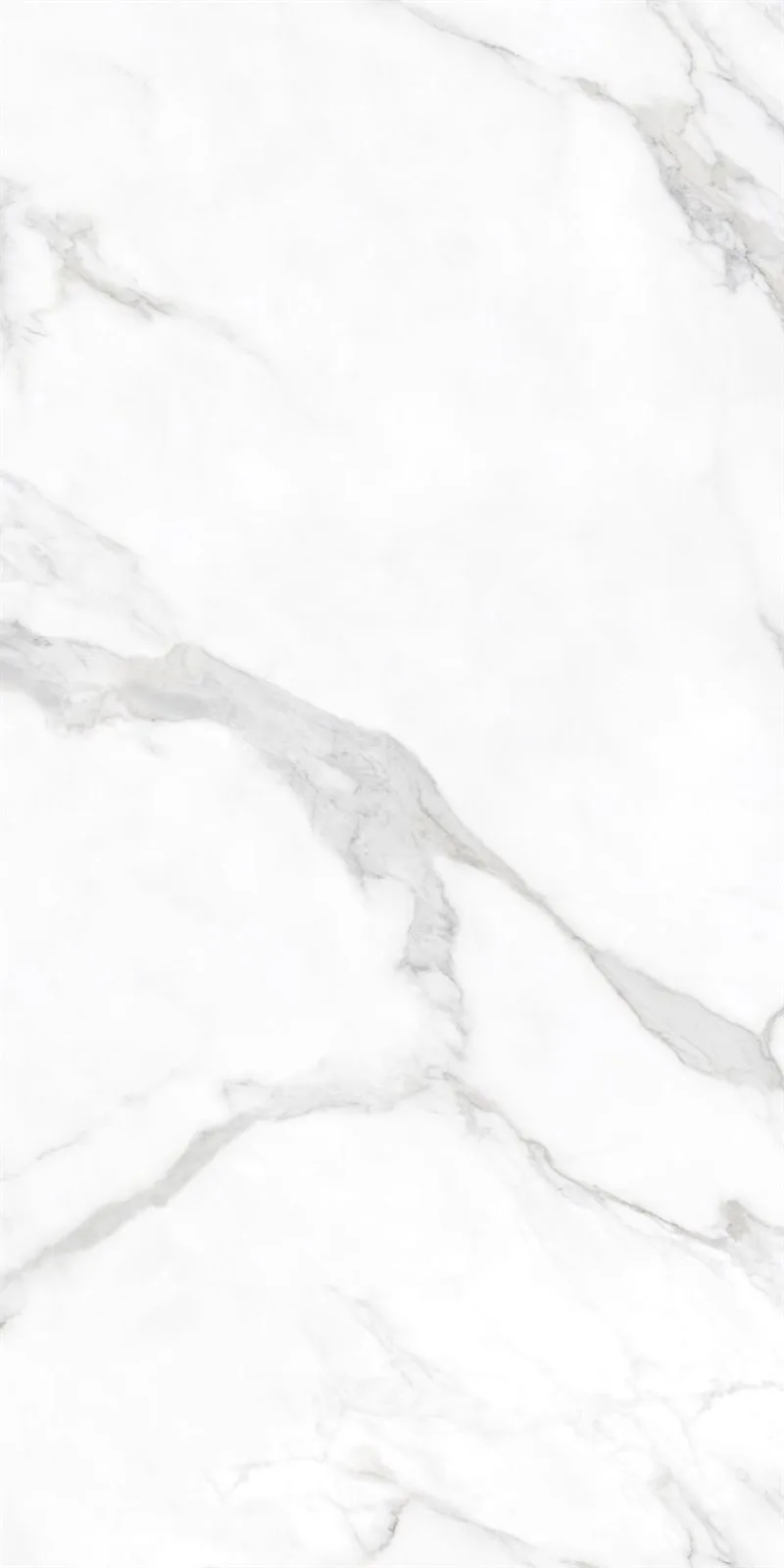 Lioli Statuario Venetian slab
 Marfil Linea Mashroom tile
 Iris FMG Pietre Lavica Grey
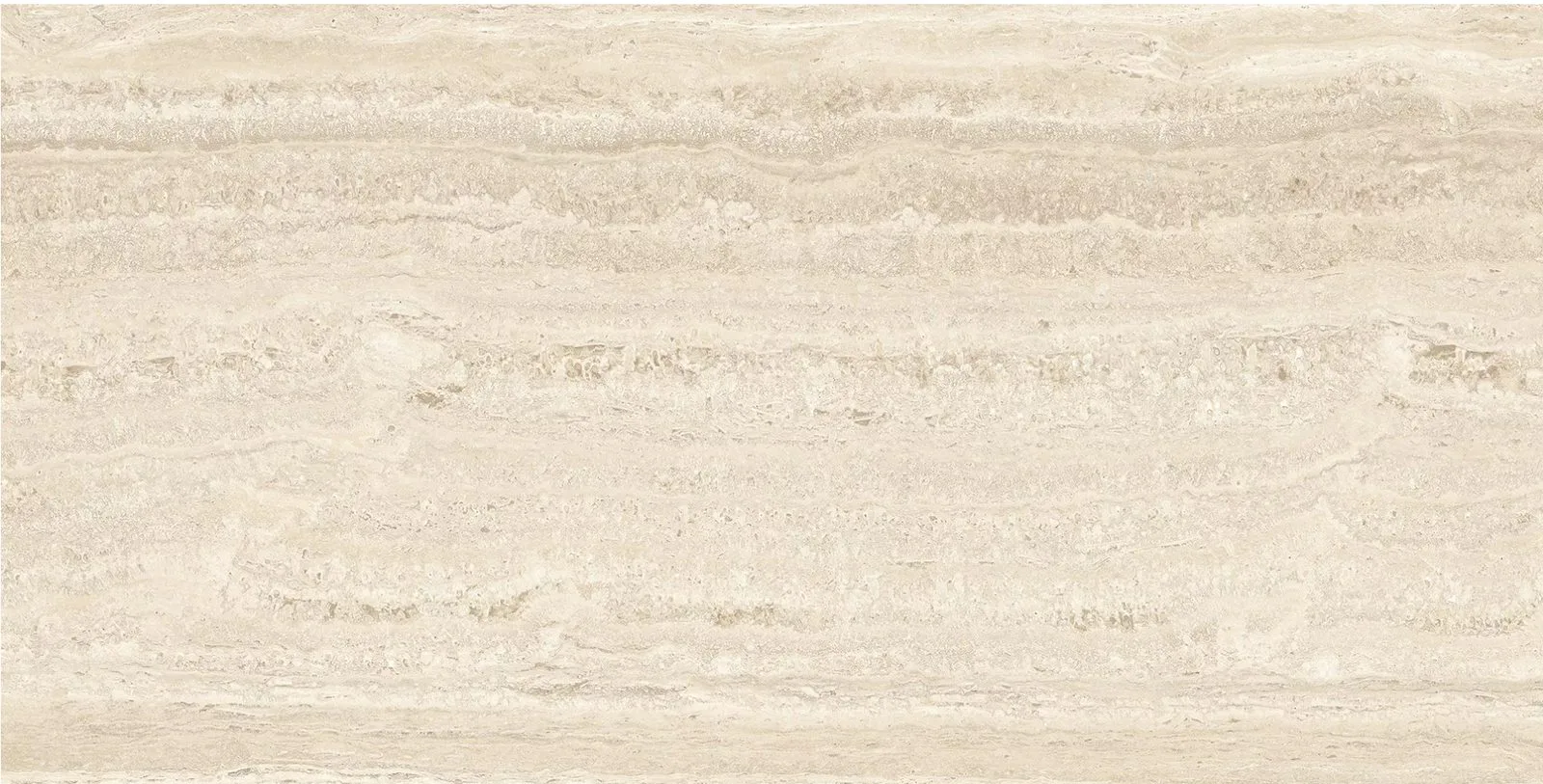 Lavish Neo Travertino Crema tile
Four pale surfaces worth trying in your own light: Lioli Statuario Venetian, Marfil Linea Mashroom, Iris FMG Pietre Lavica Grey and Lavish Neo Travertino Crema.
Questions people ask
Why do tiles look different at home than in the shop?
The light is different. Warm or cool bulbs, daylight through your window, glossy or matt finish and the colours around the tile all change how it reads. Test a full sample at home before ordering the whole job.
Which bulb colour is best for a bathroom or kitchen?
No rule decides it. Around 2700 K is warm and yellow-white; 5000 K or more is cool and crisp. Pick the look you like, then see the tile under that bulb before you buy.
Can two boxes of the same tile look different?
Yes. Tiles from different production batches can vary in shade. Buy the whole job from one batch and check the batch number printed on each box.
Sources
- US Department of Energy: LED color characteristics (2700 K, 3500 K and 5000 K nominal values, what colour temperature means)
- US Department of Energy: Understanding LED color-tunable products (warm white about 2700 K, cool white 5000 to 6500 K)
- Tile and Mosaic Depot: shade variation between batches (V1 to V4)